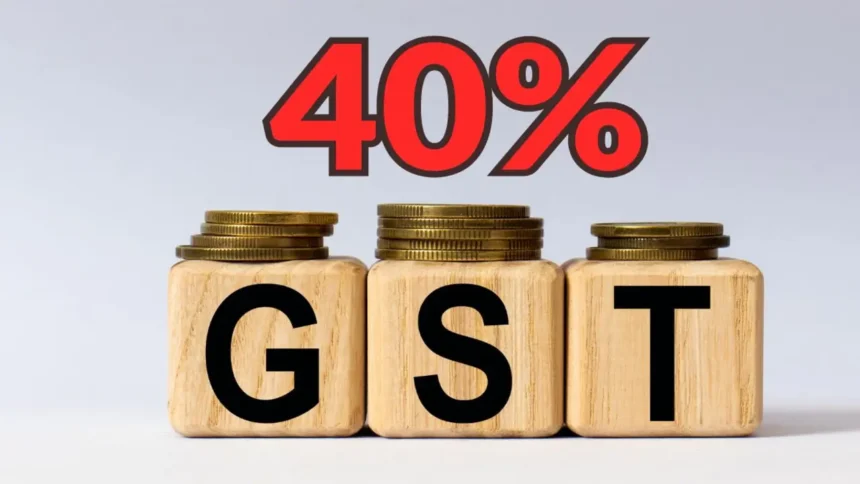
India’s landmark GST 2.0 reforms have officially kicked in from today, bringing both relief and shock for consumers. While several daily essentials have become cheaper, a wide range of luxury and harmful goods—tagged as “sin goods”—are now placed under a steep 40% GST slab, making them significantly more expensive.
GST 2.0 – What Changed?
Starting September 22, 2025—coinciding with the first day of Navratri—the government has rolled out a new GST structure announced by Prime Minister Narendra Modi on August 15.
Key changes include:
- The GST slab system has been simplified from multiple slabs to just two categories: 5% and 18%.
- Goods earlier taxed at 12% and 28% have now been moved to these two categories, bringing down the cost of most items, including milk, ghee, butter, oil, shampoos, refrigerators, televisions, cars, and two-wheelers.
- However, a new 40% “sin tax” slab has been introduced for items deemed harmful to health or non-essential luxury products.
Sin Goods Now Under 40% GST
The government has classified certain goods and services under the “sin goods” category—products that harm health or cause financial damage. This list includes:
Tobacco Products
- Pan masala
- Gutkha
- Chewing tobacco
- Raw/unprocessed tobacco and its waste
- Cigarettes
- Small and large cigars
Beverages
- Carbonated soft drinks
- Sugar-added cold drinks
- Caffeinated energy drinks
Luxury Vehicles
- Petrol cars above 1200cc
- Diesel cars above 1500cc
- Motorbikes above 350cc engine capacity
Super-Luxury Items
- Yachts
- Private jets
- Personal helicopters
IPL Tickets, Coal Also Hit by 40% Slab
The reform has also delivered a blow to cricket fans. IPL match tickets, which earlier attracted 28% GST, now fall under the 40% slab—making stadium experiences costlier.
Additionally, natural resources such as coal, lignite, and peat have been moved into the same high-tax bracket.
Why This Matters
The government’s intent is clear: make essential goods cheaper for the common man while discouraging consumption of products considered harmful or overly luxurious. The result is a mixed bag for consumers—savings on everyday items, but higher costs for indulgence and entertainment.